Collections Timeline
Place ancient coins and artifacts in historical context — when they were made, where they belonged, and what was happening in the world around them.
Late Period Egypt
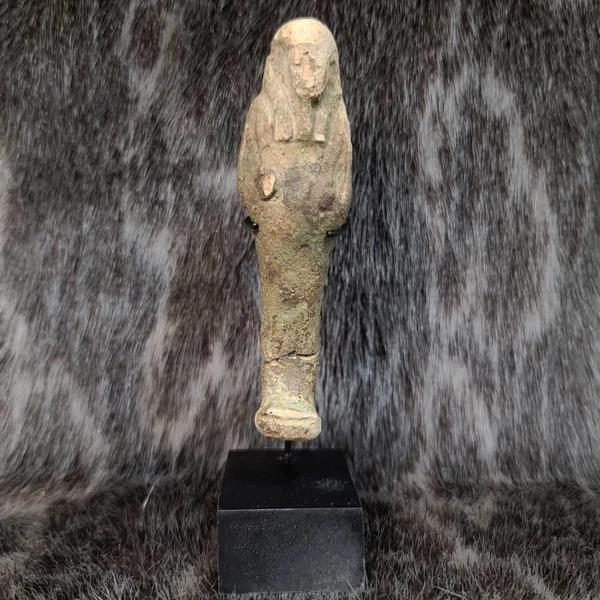
The Saite dynasty restored native Egyptian rule after Assyrian occupation, inaugurating the Late Period when mass-produced faience ushabti figurines became standard grave goods.

Ancient Egypt · Ushabti figurine · Faience
Ushabti figurines were placed in tombs to serve the deceased in the afterlife, answering the call to perform agricultural labor on their behalf in the netherworld.
Chapter 6 of the Book of the Dead instructed the deceased to summon ushabti figures to perform manual labor in the afterlife — the ritual purpose behind figurines like this one.
Cambyses II annexed Egypt into the Achaemenid Empire. Egyptian funerary customs, including ushabti figures, continued under Persian rule.
Classical Greece

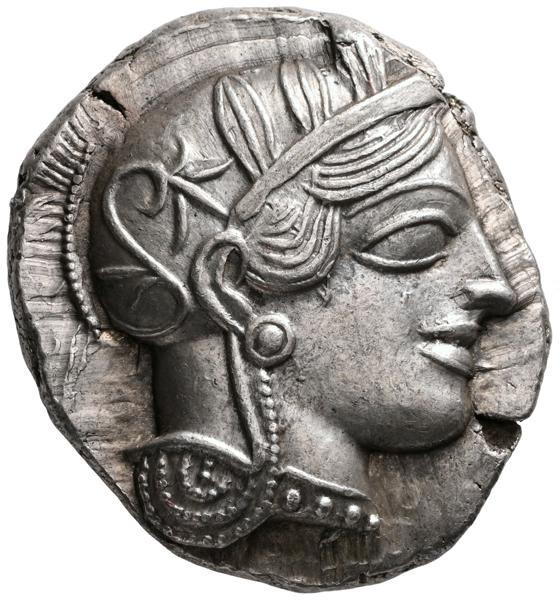
Tetradrachm · Silver
Athens' trusted trade currency across the Mediterranean; the owl tetradrachm financed the Delian League navy and everyday commerce.
Athens relocated the Delian League's treasury from Delos to the Acropolis, funding its navy and the owl tetradrachms that financed empire and trade.
Athens and Sparta fought for dominance of the Greek world. The war drained Athenian wealth and reshaped the politics behind the owl coinage.
Athens' defeat ended its classical owl series. The trusted silver standard lived on in later imitations across the Mediterranean.
Hellenistic
Alexander entered Egypt without resistance and was crowned pharaoh at Memphis, ending Persian rule and opening a Hellenistic chapter in Egyptian history.
Alexander's sudden death in Babylon triggered wars among his generals and the breakup of his empire into successor kingdoms.

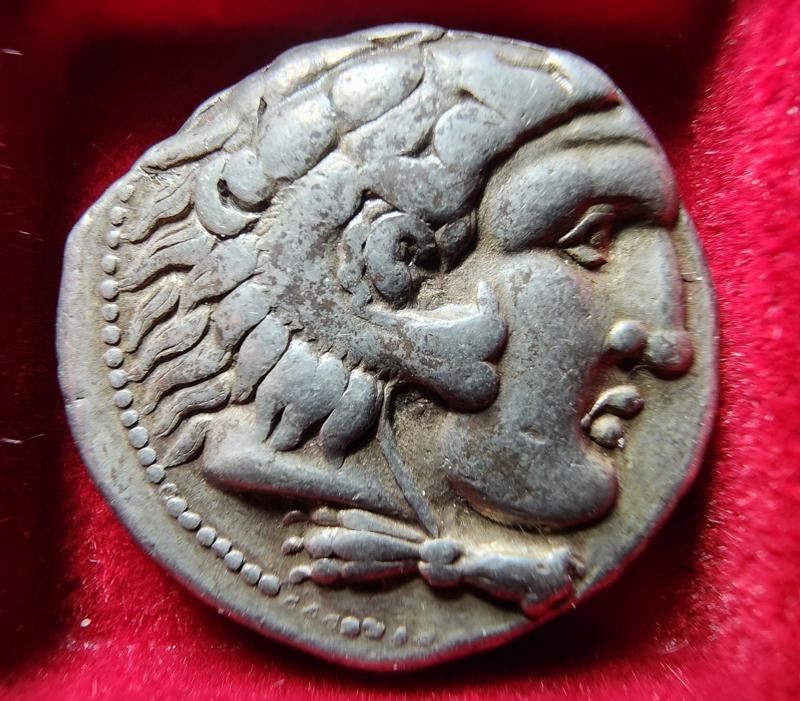
Ptolemy I Soter · Tetradrachm · Silver
Posthumous Alexander-type silver struck under Ptolemaic authority; paid soldiers and moved through eastern Mediterranean trade routes.
The Phoenician city of Arados struck Alexander-type tetradrachms under Ptolemaic control, circulating silver across the eastern Mediterranean.
Ptolemy I Soter declared himself pharaoh, founding a Greek dynasty that ruled Egypt for nearly three centuries and struck Alexander-type tetradrachms.
Successor kingdoms struck interchangeable Alexander-type tetradrachms, creating a shared silver standard across the eastern Mediterranean.
Roman Republic
Rome introduced the denarius as its standard silver coin, a denomination that would define Roman currency for centuries of empire.
Roman Imperial
Two centuries of relative peace across the Roman Empire enabled trade, urban growth, and the wide circulation of imperial silver denarii.
Trajan expanded Rome to its greatest extent. Imperial denarii from Rome paid soldiers, funded building projects, and moved through a vast trade network.
Trajan conquered Dacia, bringing vast gold and silver wealth to Rome. Victory types on denarii celebrated the empire at its territorial peak.

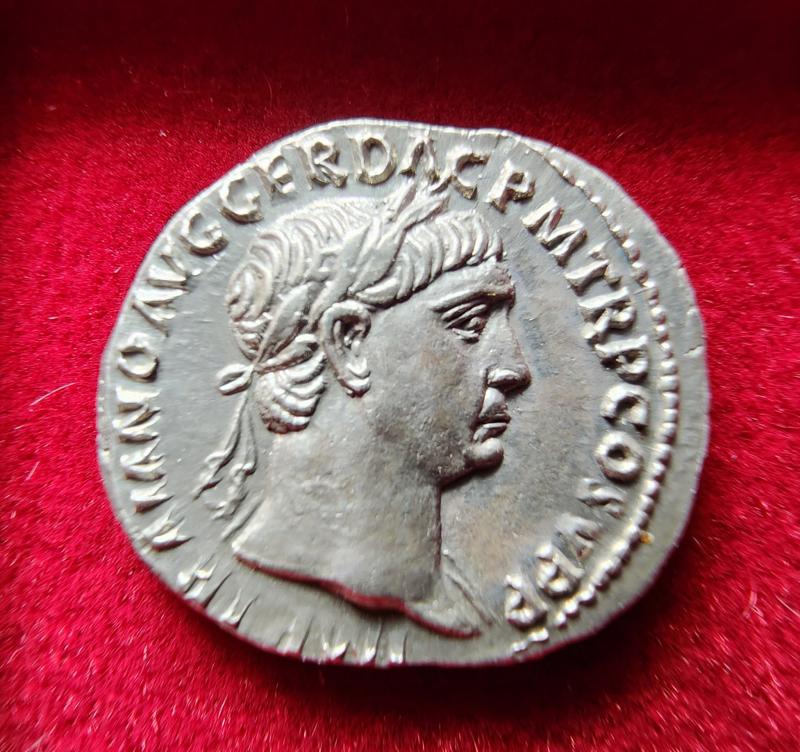
Trajan · Denarius · Silver
Imperial silver paid legionaries and civil servants; victory types celebrated Trajan's Dacian conquests at the empire's height.
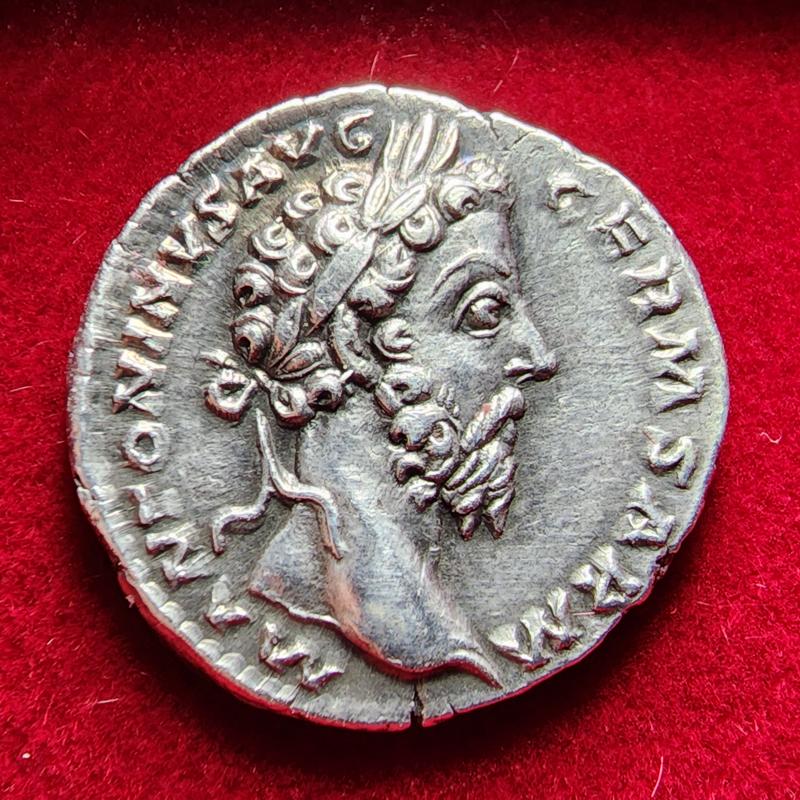
A devastating pandemic swept the empire during Marcus Aurelius' reign, straining the army and economy while denarii still paid frontier troops.
Marcus Aurelius spent much of his reign fighting Germanic tribes along the Danube. Victory and security types appear on his denarii.

Marcus Aurelius · Denarius · Silver
Denarii funded frontier campaigns during the Marcomannic Wars; Securitas types reassured citizens during plague and conflict.
Late Roman
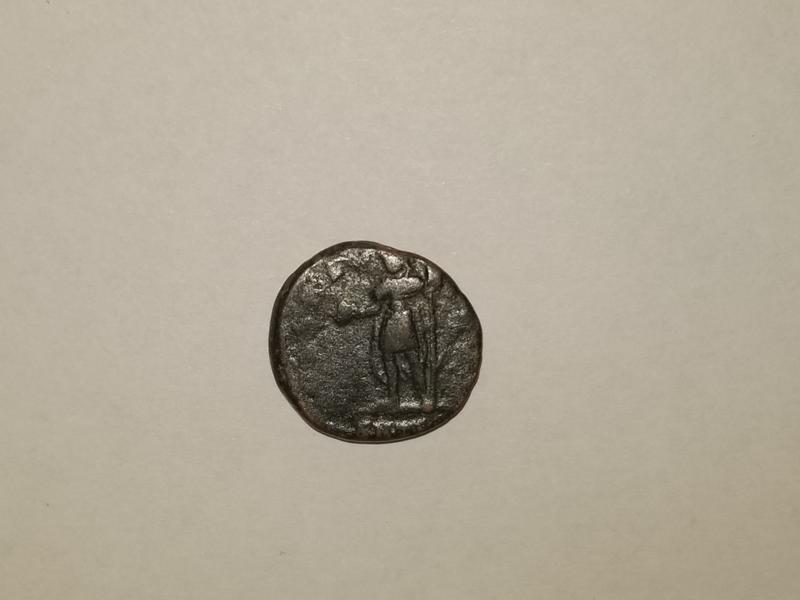
Constantius II fought rivals across the empire while reforming the army and coinage. Bronze folles and reduced silver circulated alongside gold solidi.

Constantius II · Ae4 (Follis) · Bronze
Bronze folles paid soldiers and circulated for everyday purchases as silver denominations were reduced during late empire reforms.
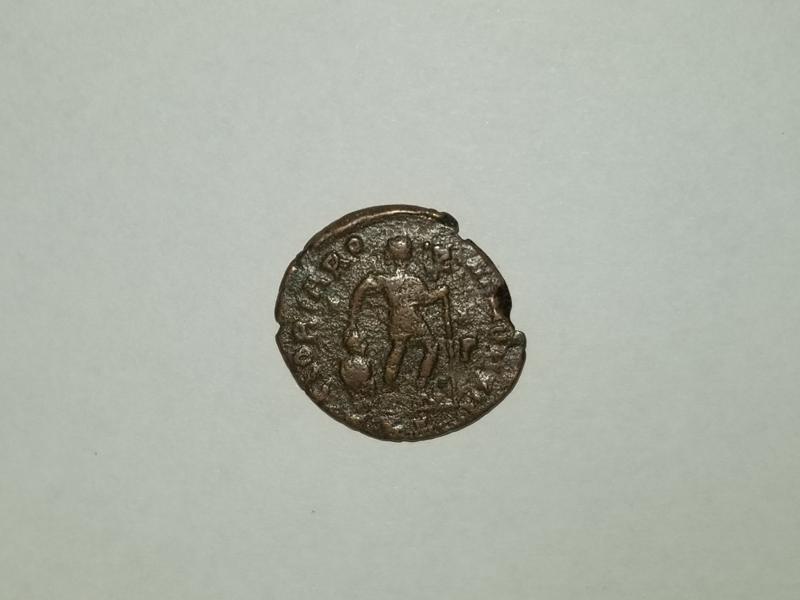
Julian succeeded Constantius II after years of rivalry. His brief reign attempted to restore traditional Roman religion before his death in Persia.

Valens · Ae3 · Bronze
Bronze coinage paid eastern frontier troops; Gloria Romanorum types celebrated military victories as Gothic pressure mounted.
Valens ruled the eastern empire as Goths pressed across the Danube. His bronze coinage paid troops while barbarian pressure intensified.
Emperor Valens was killed fighting the Goths near Adrianople — a turning point that exposed the limits of late Roman military power.
Colonial
Spain organized annual treasure fleets to carry New World silver to Europe. Cob coinage from colonial mints fed global trade and empire.
Silver from Potosí in Bolivia flooded global markets. Crudely struck cobs were cut to weight and shipped on treasure fleets to Spain and beyond.
A continent-wide conflict reshaped European power while Spanish American silver continued to fund Habsburg ambitions.

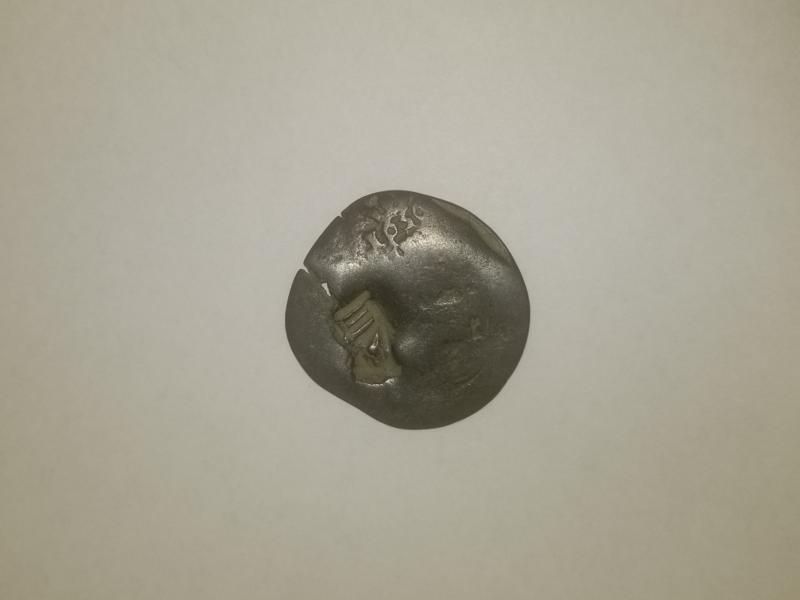
Philip IV of Spain · Cob (Maravedí countermark) · Silver
Crudely struck colonial silver cut to weight for treasure fleet shipment; cobs funded empire and global trade during the Thirty Years' War era.